


How Artists Collaborate to Create Meaningful Works: Exploring Art Collaboration
Art collaboration is a fascinating process where creative minds come together to produce works that resonate deeply with audiences. When artists join forces, they blend their unique perspectives, skills, and experiences to create something richer than what they might achieve alone. In this post, we will explore how artists collaborate to create meaningful works, the benefits of such partnerships, and practical ways to foster successful collaborations.
The Power of Art Collaboration
Art collaboration is more than just sharing a studio or co-signing a piece. It is a dynamic exchange of ideas and techniques that pushes boundaries and challenges artists to grow. When we collaborate, we open ourselves to new influences and fresh ways of thinking. This process often leads to innovative artworks that reflect a fusion of styles and concepts.
For example, consider a painter working with a sculptor. The painter’s use of colour and texture can inspire the sculptor to rethink form and space, while the sculptor’s understanding of three-dimensionality can encourage the painter to explore depth in new ways. Together, they create a piece that neither could have imagined alone.
Collaboration also allows artists to reach wider audiences. By combining their networks and reputations, they can attract more attention to their work and create a stronger impact in the art world.

How Art Collaboration Enhances Creativity and Meaning
When artists collaborate, they bring diverse backgrounds and viewpoints to the table. This diversity enriches the creative process and often results in works that carry deeper meaning. By engaging in dialogue and negotiation, artists refine their ideas and challenge each other’s assumptions.
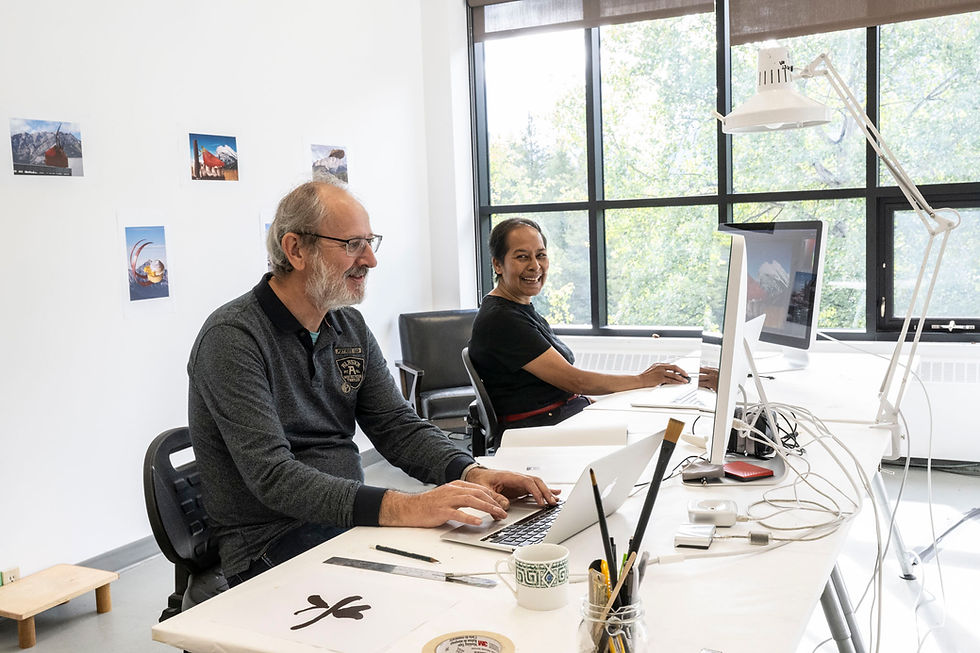
One practical example is the collaboration between Kenneth Hay and Seetha A, whose work Moorland Productions showcases. Their partnership combines Kenneth’s contemporary painting style with Seetha’s cultural narratives, producing art that speaks to both personal and collective histories. This blend of perspectives creates a powerful dialogue within their pieces, inviting viewers to explore complex themes.
To foster meaningful collaboration, it helps to:
Establish clear communication: Regular discussions about goals, expectations, and creative direction keep everyone aligned.
Respect each other’s strengths: Recognising and valuing different skills encourages mutual support.
Be open to compromise: Flexibility allows the project to evolve organically.
Set shared objectives: Agreeing on the message or impact you want to achieve helps maintain focus.
These steps ensure that the collaboration remains productive and that the final work resonates with authenticity.
Navigating Challenges in Collaborative Art Projects
While collaboration offers many benefits, it also comes with challenges. Differences in artistic vision, working styles, or timelines can create tension. However, these obstacles can be overcome with patience and clear strategies.
One common challenge is balancing individual expression with collective goals. Each artist wants their voice to be heard, but the work must feel cohesive. To manage this, it’s useful to:
Define roles early: Decide who leads which aspects of the project.
Create a shared vision board: Visual references help align ideas.
Schedule regular check-ins: Frequent updates prevent misunderstandings.
Use conflict as a creative tool: Disagreements can spark new directions if approached constructively.
By addressing these challenges head-on, artists can turn potential conflicts into opportunities for growth.
Examples of Successful Collaborative Art Projects
Throughout history, many artists have demonstrated the power of collaboration. One notable example is the partnership between Pablo Picasso and Georges Braque, who co-developed Cubism. Their close collaboration revolutionised modern art by breaking down traditional perspectives. Another contemporary one is Gilbert & George.
In contemporary times, collaborative art projects often involve multidisciplinary teams. For instance, a project might combine visual artists, musicians, and digital designers to create immersive installations. These works engage audiences on multiple sensory levels, making the experience more impactful.
Another example is community-based art collaborations, where artists work with local groups to create public murals or performances. These projects not only produce meaningful art but also strengthen community bonds and raise awareness about social issues.
How to Start Your Own Art Collaboration
If you’re inspired to collaborate, here are some practical tips to get started:
Find the right partner(s): Look for artists whose style or vision complements yours.
Start small: Begin with a short-term project to test your working relationship.
Use technology: Tools like video calls and shared online workspaces make remote collaboration easier.
Document the process: Keep records of your discussions and drafts to track progress.
Celebrate milestones: Acknowledge achievements to maintain motivation.
Remember, successful collaboration is a journey. It requires trust, openness, and a willingness to learn from each other.
Expanding the Reach of Collaborative Art
Collaborative works often benefit from broader exposure. Exhibitions, both physical and online, provide platforms to showcase these pieces to diverse audiences. Moorland Productions, for example, actively promotes the contemporary art of Kenneth Hay and Seetha A through international exhibitions and online sales, helping to secure funding for culturally significant projects.
By sharing collaborative art widely, we invite more people to engage with the stories and ideas embedded in the work. This not only supports the artists but also enriches the cultural landscape.
Exploring collaborative art projects can open new doors for artists and audiences alike, fostering connections that transcend individual creativity.
Collaboration in art is a powerful way to create works that are not only visually striking but also rich in meaning and cultural significance. By embracing the challenges and opportunities of working together, artists can push the boundaries of their practice and reach new heights. Whether through shared studios, community projects, or international partnerships, art collaboration continues to shape the future of contemporary art.


Comments